Dealing with epilepsy · Misconceptions · Not too personal · Way too personal

My 1-year seizure-free streak is gone

On May 8th, 2025, I had my last 2 seizures. Until yesterday…. the day started normally: at a corporate team-building, listening to presentation and waiting for the early afternoon break to go explore Lisbon a bit more before the last group activities.

But, during lunch, everything started to seem so familiar. A headache, a feeling of confusion, headspinning… I knew that something was coming. So I gave up my plans and laid down in my room and tried to rest. It’s difficult to even do this … a much of feelings ranging for sadness to disappointment and pure rage come in minutes and change every time to try to thing about something else.

Yesterday evening, I woke up with a swollen tongue that was overly bitten this time and I’m struggling to speak. The night wasn’t kind. Kept waking up every hours or so, either because of my headache, back pain and many other kinds of pain. In morning, I saw the extent of what happened: blood on the floor in the bathroom, in the room – all over the bed – and … on me. My t-shirt had huge blotches of blood, the bedsheets also.

Now, it’s time to restart the count and try to make it longer, much longer.

Dealing with epilepsy · Misconceptions · Not too personal

The Lifestyle Trap: It’s Not Just “Stress”

If I had a Euro for every time someone suggested a “lifestyle change” to cure my epilepsy, I could probably fund my own research lab. We’ve all heard it: “Have you tried yoga?” “Maybe you should quit gluten.” “Is it just because you’re stressed?”

While sleep and stress management are vital tools for any chronic condition, there is a dangerous misconception that epilepsy is a failure of discipline. It frames a neurological disorder as a lack of “wellness.” When people offer these tips, they are often trying to be helpful, but they are also trying to make sense of something scary. If it’s just about “stress,” then it’s something they can control. If it’s a random electrical storm in the brain, that’s much more unsettling.

Continue reading “The Lifestyle Trap: It’s Not Just “Stress””
Dealing with epilepsy · Not too personal

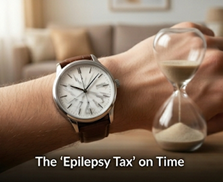
The “Epilepsy Tax” on Time

Most people measure their productivity in hours or task lists. For those of us with epilepsy, we have to account for a hidden “tax” on our time that no one else sees. It isn’t just the few minutes a seizure might last; it’s the hours, or sometimes days, that follow.

When a seizure ends, the world expects you to “reset” because you look like yourself again. But internally, the brain is rebooting like an old computer after a crash. There is the post-ictal fog where words feel just out of reach, the crushing fatigue that no amount of coffee can fix, and the mental “re-calibration” required to remember what you were doing before the lights went out.

Continue reading “The “Epilepsy Tax” on Time”
Dealing with epilepsy · Misconceptions · Not too personal

Myths debunked #2: epilepsy and a sex life

There is a common myth that people with epilepsy cannot have a healthy sex life or that engaging in sexual activity can trigger seizures. This misconception is not true and can lead to unnecessary fear and stigma surrounding the topic.

The reality is that epilepsy, in most cases, does not directly affect a person’s ability to have a fulfilling sex life. Epilepsy is primarily a neurological disorder characterized by recurrent seizures, and its impact on sexual function varies from person to person.

Continue reading “Myths debunked #2: epilepsy and a sex life”
Blog · Dealing with epilepsy · Not too personal

The “No way out” line you get at the beginning

There are two types of reactions from doctors when you’re newly diagnosed and three types of reactions from people with epilepsy.

People would epilepsy can be split into the “don’t give a f*ck, I’ll do what I want” and the “I need to close myself into a closet made of pillows to not get hurt”. Plus there are those that make Google richer: searching non-stop for info about epilepsy: causes, triggers, treatment, online chats, epilepsy fellowships to colleges (yes, these exist in some countries), etc.

Doctors can either try to comfort you or simply tell you what you have and show you the door.

I would like to speak about the second category. Continue reading “The “No way out” line you get at the beginning”