A few weeks ago, I witnessed a (grand-mal / tonic-clonic) seizure while I was coming home on a train. This was the first and only one that I actually saw “in real life”.
I had no idea how to behave or what or when should I do it. I had the theory in my head, I knew the entire drill. But all I could do was to watch as others helped the guy seizing.
A few days ago, I wrote about my latest seizure from last week: happening at a company retreat, bla bla bla. The reason why it mattered so much to me wasn’t that it happened there or that, after a week, my tongue is still numb from bitting it and I have trouble speaking.
What really sucked is that I have to turn back the clock. Before this seizure, the last one that I had was a bit over a year ago and it was a mild one: I knew it was coming, I stayed in bed that afternoon and I woke that evening for a few minutes feeling that it happened (received external confirmation also).
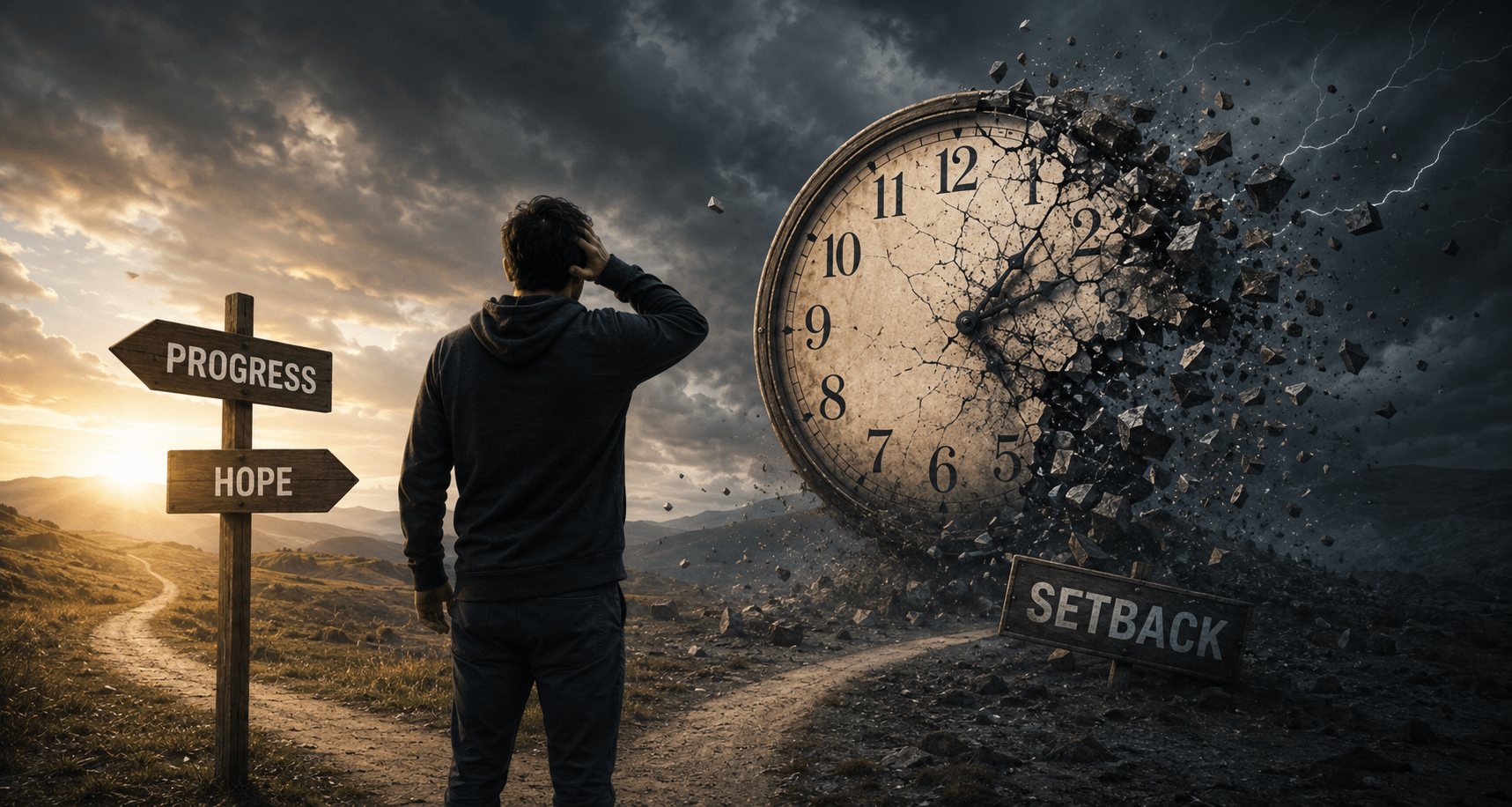
But epilepsy sucks because, sometimes, you get hope that it went away and you can enjoy life and then it comes back with a literal bang.
On May 8th, 2025, I had my last 2 seizures. Until yesterday…. the day started normally: at a corporate team-building, listening to presentation and waiting for the early afternoon break to go explore Lisbon a bit more before the last group activities.
But, during lunch, everything started to seem so familiar. A headache, a feeling of confusion, headspinning… I knew that something was coming. So I gave up my plans and laid down in my room and tried to rest. It’s difficult to even do this … a much of feelings ranging for sadness to disappointment and pure rage come in minutes and change every time to try to thing about something else.
Yesterday evening, I woke up with a swollen tongue that was overly bitten this time and I’m struggling to speak. The night wasn’t kind. Kept waking up every hours or so, either because of my headache, back pain and many other kinds of pain. In morning, I saw the extent of what happened: blood on the floor in the bathroom, in the room – all over the bed – and … on me. My t-shirt had huge blotches of blood, the bedsheets also.
Now, it’s time to restart the count and try to make it longer, much longer.
In many of my previous posts, I mentioned that people often react to epilepsy with fear—not fear for me, but fear that they won’t know how to handle the situation. This fear creates a distance. It makes people treat you like you’re made of glass, or worse, they stop inviting you places because they don’t want the “responsibility” of your health.
However, there is a special category of person I call the “Non-Flincher.” These are the friends who know about the condition and don’t make it the centerpiece of the relationship. They don’t panic if you look a little tired, and they don’t treat a seizure like a scene from a horror movie. If one happens, they simply follow the protocol, wait it out, and then ask if you want a glass of water or to talk about something else entirely.
There is a specific kind of exhaustion that comes from the “almost” seizure. In the community, we often talk about auras—those strange, sensory warnings that something is coming. Sometimes they lead to a full event, and sometimes they just… linger.
An aura is like seeing a storm on the horizon. You start the mental checklist: Am I near something sharp? Should I sit down? Who is around me? You prepare for the drop, the loss of consciousness, the total surrender of control. But then, the storm passes without breaking. The “static” in your head clears, the nausea fades, and you are left standing there, heart racing, waiting for a blow that never landed.


 Dealing with epilepsy
You must be logged in to post a comment.